
Panic at the Daycare
The 80s are back, and not in a good way

I started 2025 with a resolution to rage more. And so, it feels fitting to close out the year with a post on the past, present, and future of daycare panics, and why I’ll be shaking my fist at Geraldo Rivera as I log onto my computer to sign my kids up for summer camp at midnight tonight.1
First, let’s the consider the present. Over the weekend, conservative influencer Nick Shirley went viral with a video showing him and his associate pounding on the doors of childcare centers in Minnesota’s Somali community, looking for evidence of fraud, and claiming without credible evidence that they had “uncovered over $110,000,000 in ONE day.” It came out later that Republican lawmakers had provided Shirley with a list of centers to target. But by that point, conservative media had already run with the scarier version, leading the Department of Health and Human Services’ Deputy Secretary Jim O’Neill to announce on X that HHS had “turned off the money spigot” and would be launching new efforts to combat what he called “the blatant fraud that appears to be rampant in Minnesota and across the country.”
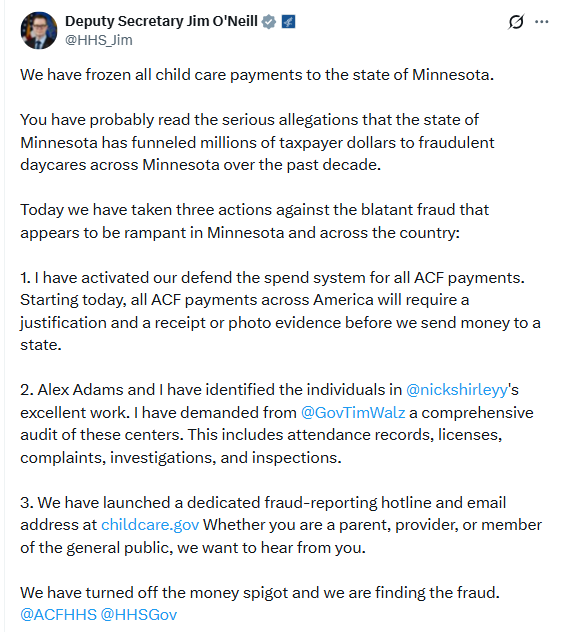
These attacks are baseless, racist, and despicable. And yet, they’re also taking a page out of the same moral panic playbook that the GOP has been running for decades to undermine public investment in childcare and to achieve its broader (and often deeply misogynistic) policy aims.
You see, back in 1983, and as Richard Beck documents in his book, We Believe the Children, a California mom accused her son's childcare providers of subjecting children to Satanic rituals—like flushing children down toilets and into secret underground tunnels where they were supposedly being sexually abused.
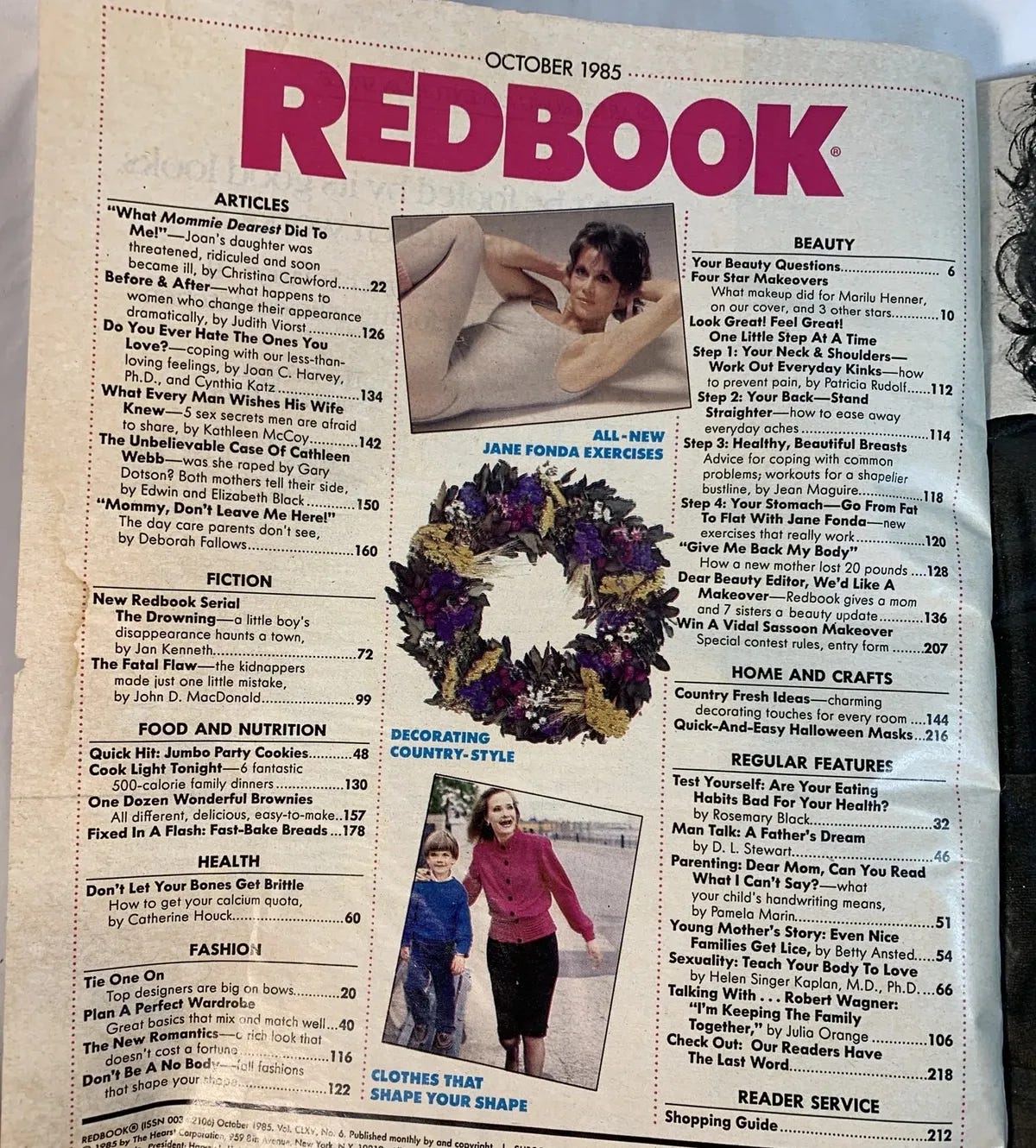
The mom who made the allegations was later found to be suffering from paranoid schizophrenia. But that didn't stop the prosecution of the accused childcare providers. In fact, the resulting case was one of the longest and most expensive criminal trials in US history. The childcare providers in the case were never convicted. And yet, in the meantime, popular magazines ran headlines like “Mommy, Don’t Leave Me Here! The Day Care Parents Don’t See.” And television news anchors like Geraldo Rivera used the case to whip up a frothing moral panic over children’s exposure to sinful and Satanic threats.2 Across the US, anxious parents began pulling their kids out of childcare, to the point where, as Beck explains, “plummeting enrollment numbers and surging insurance premiums forced many centers to close down.”
Now, the claims at the heart of the California case were deeply outlandish. And yet, conservative policymakers saw in them a promising opportunity to achieve their bigger political aims.
You see, employment rates among mothers of young children had jumped from less than 20 percent in 1960 to nearly 50 percent by 1983. That shift was particularly pronounced among White, married, middle-class women. Which helped fuel growing popular interest in universal, public childcare programs like the ones many of our European allies set up after WWII. In 1971, for example, the US came this close to building such a system, and failed only because Nixon vetoed the Comprehensive Child Development Act that Congress had already passed.
That veto was the result of growing conservative opposition the idea of universal, public childcare. As I explain in Holding It Together, the GOP’s big donors didn't want to pay the taxes needed to build such a system. And as Melinda Cooper outlines in Family Values, the religious Right didn't want to incentivize women (especially married, White women) to abandon their "proper" place at home. Take, for example, the Reverend Jerry Falwell, who loved to rant about the evils of feminism and public education and even went so far as to call the National Organization of Women “the national organization of witches.”
In the end, the GOP got its wish. The Satanic panic of the 1980s led to a rapid and lasting reduction in Americans' trust in childcare providers, which helped prevent the US from building a universal, public childcare system, and helped flatten the growth in maternal employment in the years that followed.
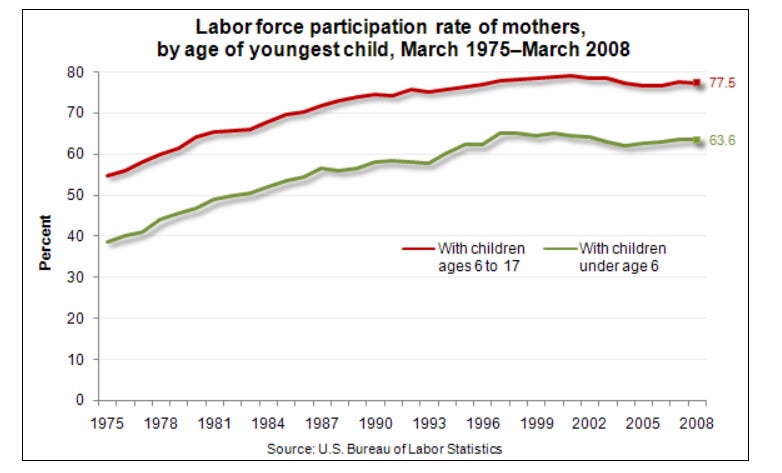
Since Covid, however, those patterns have shifted. After hovering around 65 percent for decades, the labor force participation rate among mothers with children under 5 jumped to an all-time high of 71 percent in 2023. Those rising rates, coupled with increasingly untenable costs for private childcare, have prompted a resurgence of energy around efforts to make childcare a universal public good. New Mexico, for example, recently became the first state to make childcare free for all families—at least if they’re able to find a spot amidst widespread shortages of care.
Those shortages, meanwhile, are a big part of why immigrant women—like the Somalis that Shirley targeted in Minnesota—now play such a big role in the US childcare industry. Without substantial public investment, childcare can’t be both affordable and decently compensated. And so, as I show in Holding It Together, workers with better options are quick to leave jobs in childcare, which leaves that work to more vulnerable and marginalized workers, who can’t easily find better jobs.
Now, then, as we find ourselves on the eve of a new daycare panic, I'm furious for the childcare providers who will be vilified, furious for the parents (especially moms) who will end up having to fill in the resulting gaps in childcare, and furious that we're letting the GOP run this tired play yet again.

Because the summer camp scramble has its roots in the same mess of lies that gave us the crisis in childcare.
Rivera has since apologized for his role in the resulting daycare panic. Yet, his specials highlighting supposed dangers of daycare still appear on his website, including one titled “Devil Worship: Exposing Satan’s Underground.”